---
name: root-cause
description: Find the root cause of a bug before proposing any fix. Use when tests fail, production misbehaves, a build breaks, or the user says stop guessing, debug this, or why is this happening.
---

# Root Cause

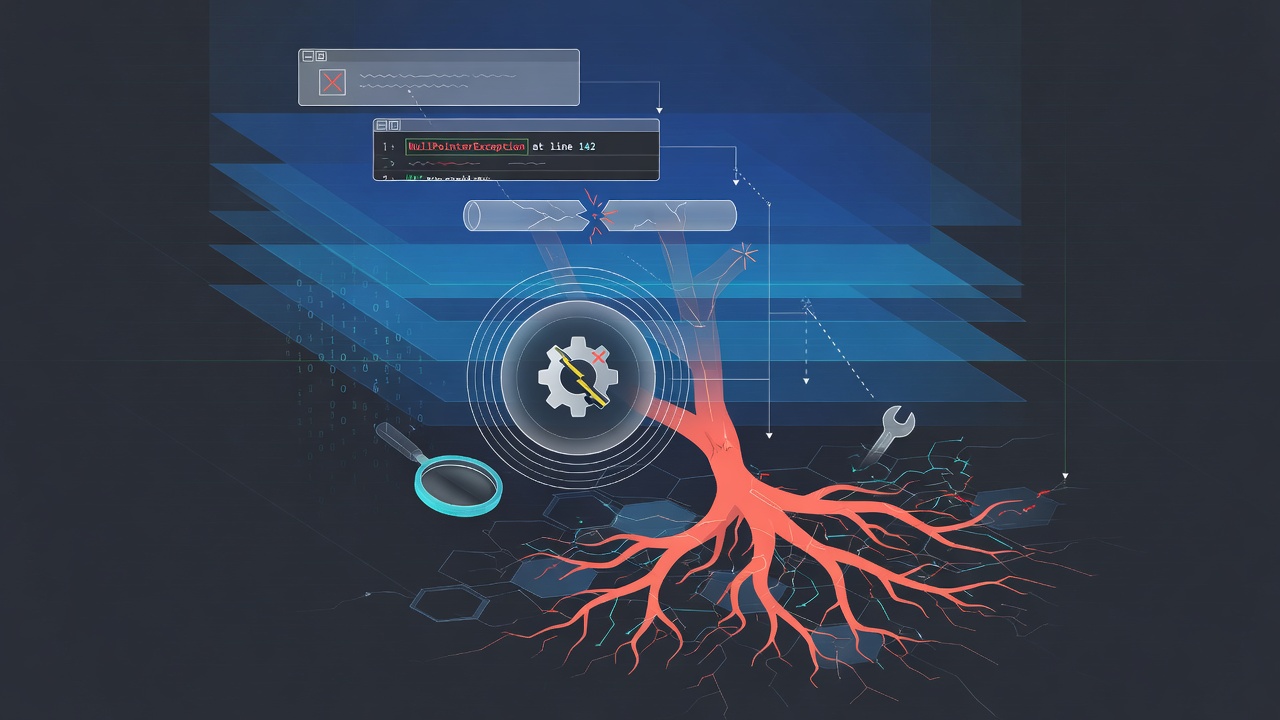
No fix before the cause is known. Symptom patches are failure.

Inspired by obra/superpowers systematic-debugging (MIT). Original Grok remake. No Superpowers cross-links.

## When to use
- Bug, test failure, unexpected behavior, perf cliff, build break
- Especially under time pressure or after a failed "quick fix"

## When NOT to use
- User asked for a design interview, not a debug
- The task is a greenfield feature with no failing behavior
- User already has a confirmed root cause and wants the patch only

## Inputs
- Symptom, error text, and how to reproduce if known
- Repo or logs if available

## Procedure

### Phase 1 - Investigate
1. Read the full error, stack, codes, paths. Do not skim.
2. Reproduce. If you cannot, gather data. Do not guess.
3. Check what changed: diffs, deps, config, environment.
4. In multi-layer systems, log what enters and leaves each boundary, then see where it breaks.
5. Trace bad values backward to the source. Fix there later, not at the symptom.

### Phase 2 - Pattern
- Find a working sibling in the same codebase.
- Read the reference all the way through.
- List every difference, even the boring ones.

### Phase 3 - Hypothesis
- Write one hypothesis: "X is the cause because Y."
- Change one variable to test it.
- If it fails, new hypothesis. Do not stack fixes.

### Phase 4 - Fix
- Smallest failing test first.
- One change. No drive-by refactors.
- Verify the test and the original symptom.
- After 3 failed fixes, stop and question the architecture with the user. Do not try a fourth guess.

## Output format
1. Evidence so far
2. Current phase
3. Single hypothesis or confirmed cause
4. Next smallest test
5. Only after confirmation: the fix

## Safety
- No exploit payloads. Defensive diagnosis only.
- Do not print secrets from logs. Redact tokens.
- Do not "just try" production writes to see what happens.

## Stop conditions
- Cause confirmed and fix verified
- Or 3 failed fixes and you asked to revisit architecture
- Or the issue is truly environmental and you documented what you checked
By continuing, you agree to our Terms of Service and Privacy Policy.
Separate tags with spaces. AI may suggest tags after security scan — remove anytime without re-scanning.
grokpot is the community hub for Grok — publish custom skills and multi-file skill packages, then wire your catalog into chat with a personal MCP connector. Browse, like, comment, and discover what builders ship.
Built for the Grok community
Type your username below to confirm. This cannot be undone.
